Boards: MDF, HDF and plywood
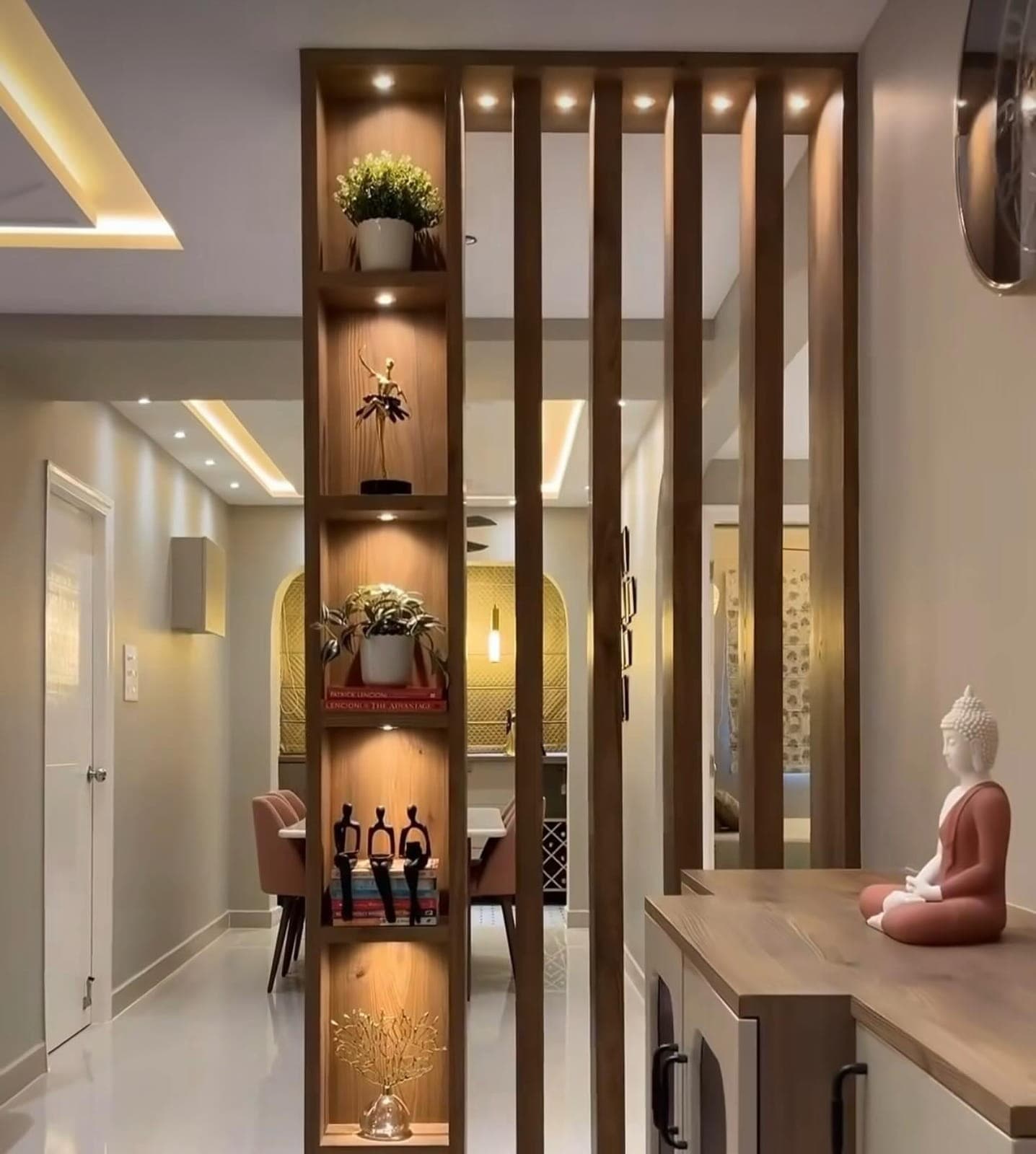
Most modern joinery is made on engineered boards. MDF and HDF are smooth, stable and take paint and laminate well; the denser HDF resists moisture and holds screws better. Plywood is stronger along its grain and is often used where load matters.
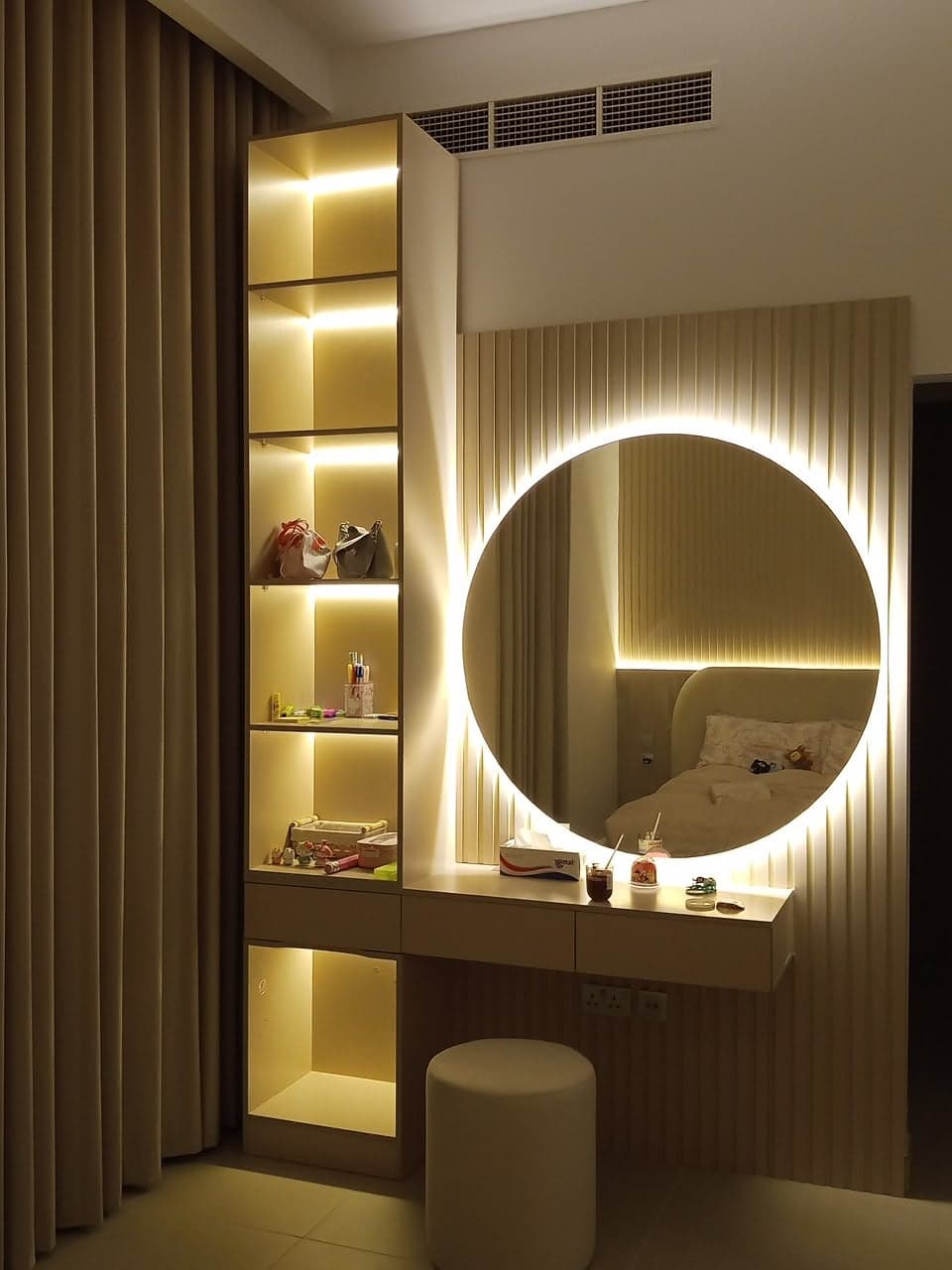
In humid conditions, moisture-resistant boards with sealed edges are the safer choice, and low-formaldehyde boards suit bedrooms and children's rooms.
Surfaces: laminate, veneer, lacquer and glass
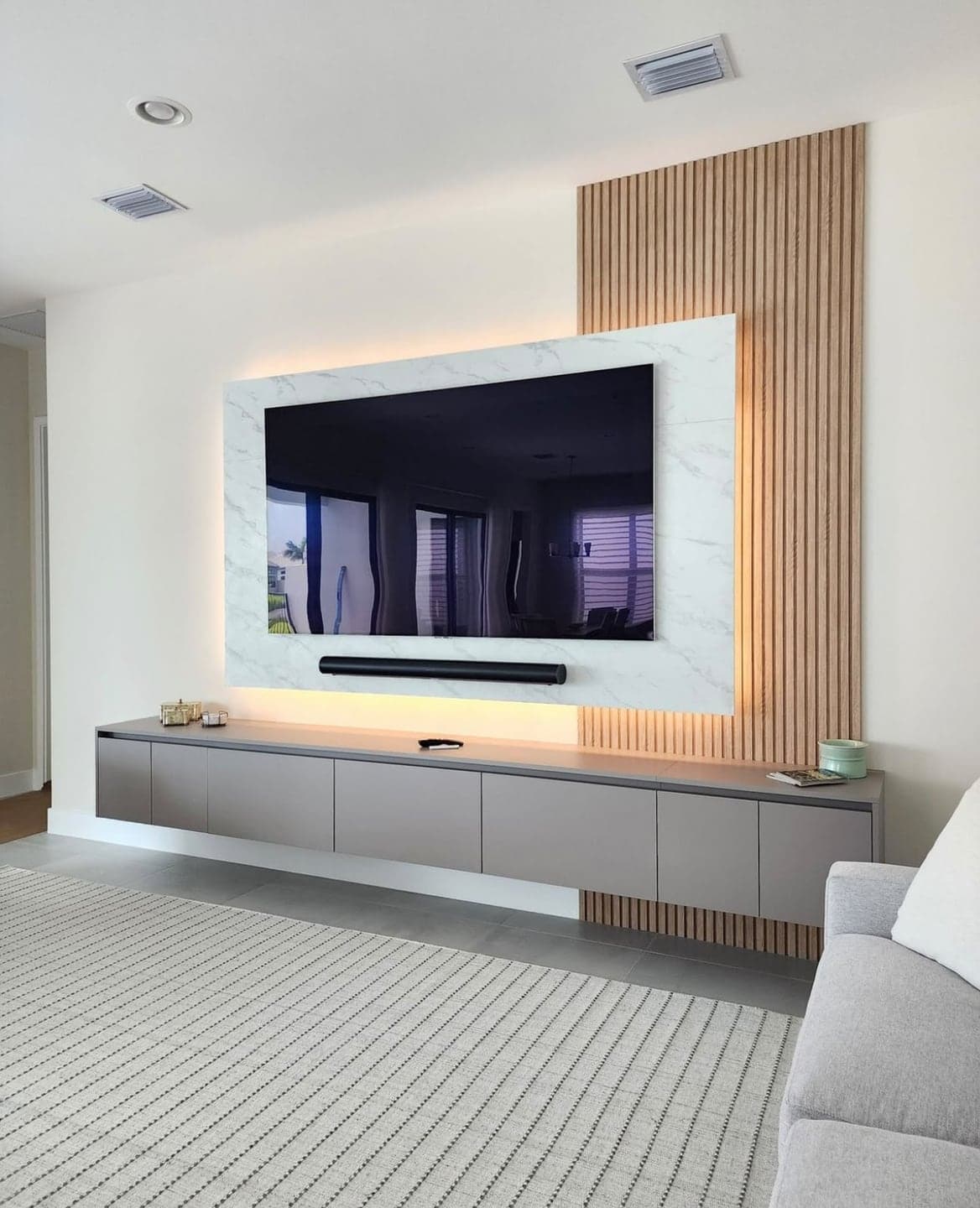
Laminate is durable and comes in a huge range of finishes, including wood grain and stone effects. Real wood veneer gives natural grain and can be refinished. Lacquer gives a smooth painted look and is more easily marked.
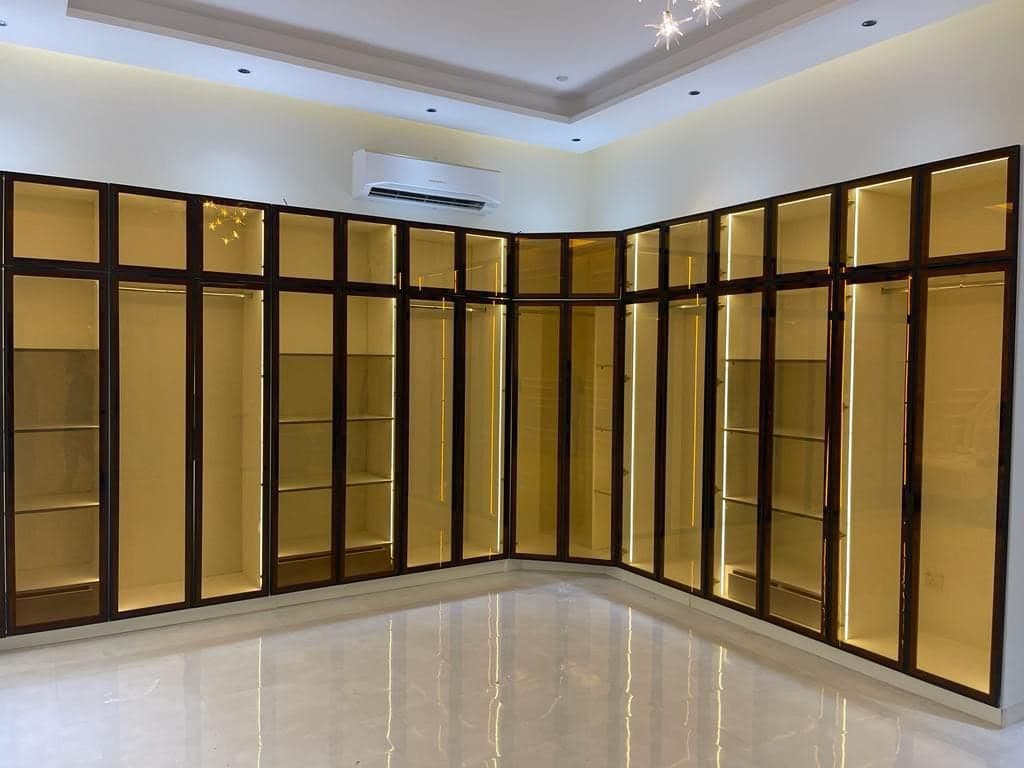
Glass and mirror add light and depth, and tinted or smoked glass is common on wardrobes and display units.
Hardware is where quality hides
Hinges, drawer runners and sliding systems decide how a piece feels every day. Soft-close hinges and runners from established makers such as Blum and Hafele last longer and stay quiet.
For sliding wardrobe doors, check the weight rating of the system and the quality of the top and bottom tracks.
Fabrics: what to look for
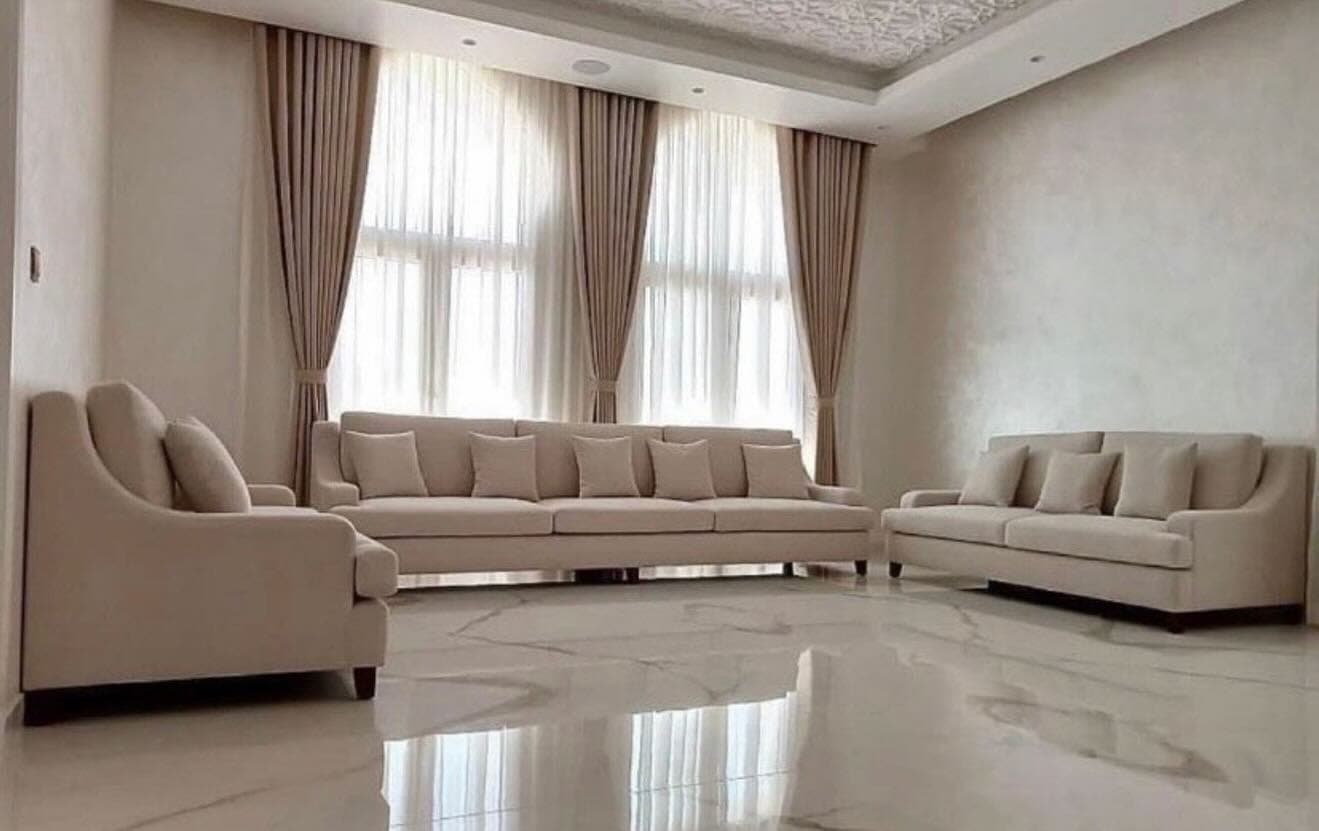
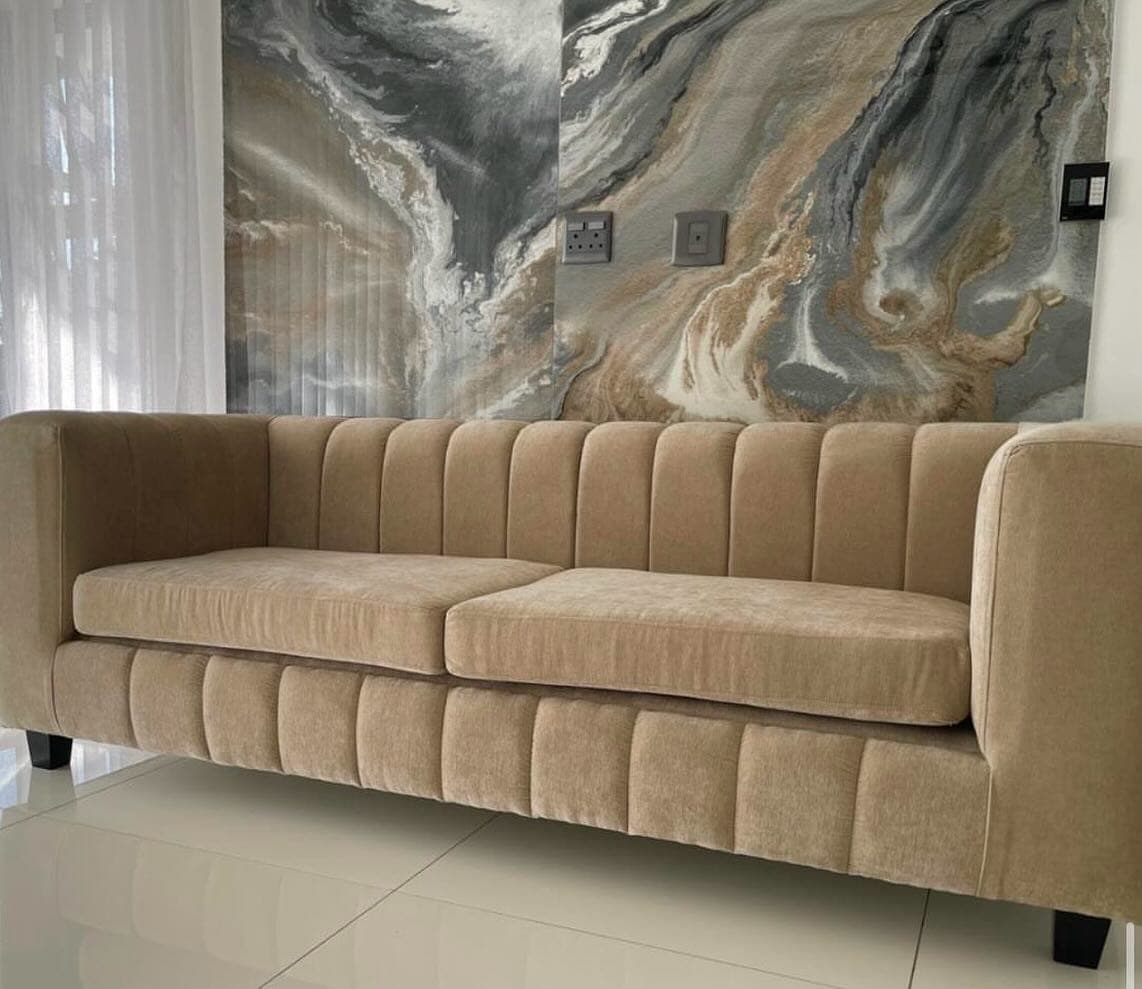
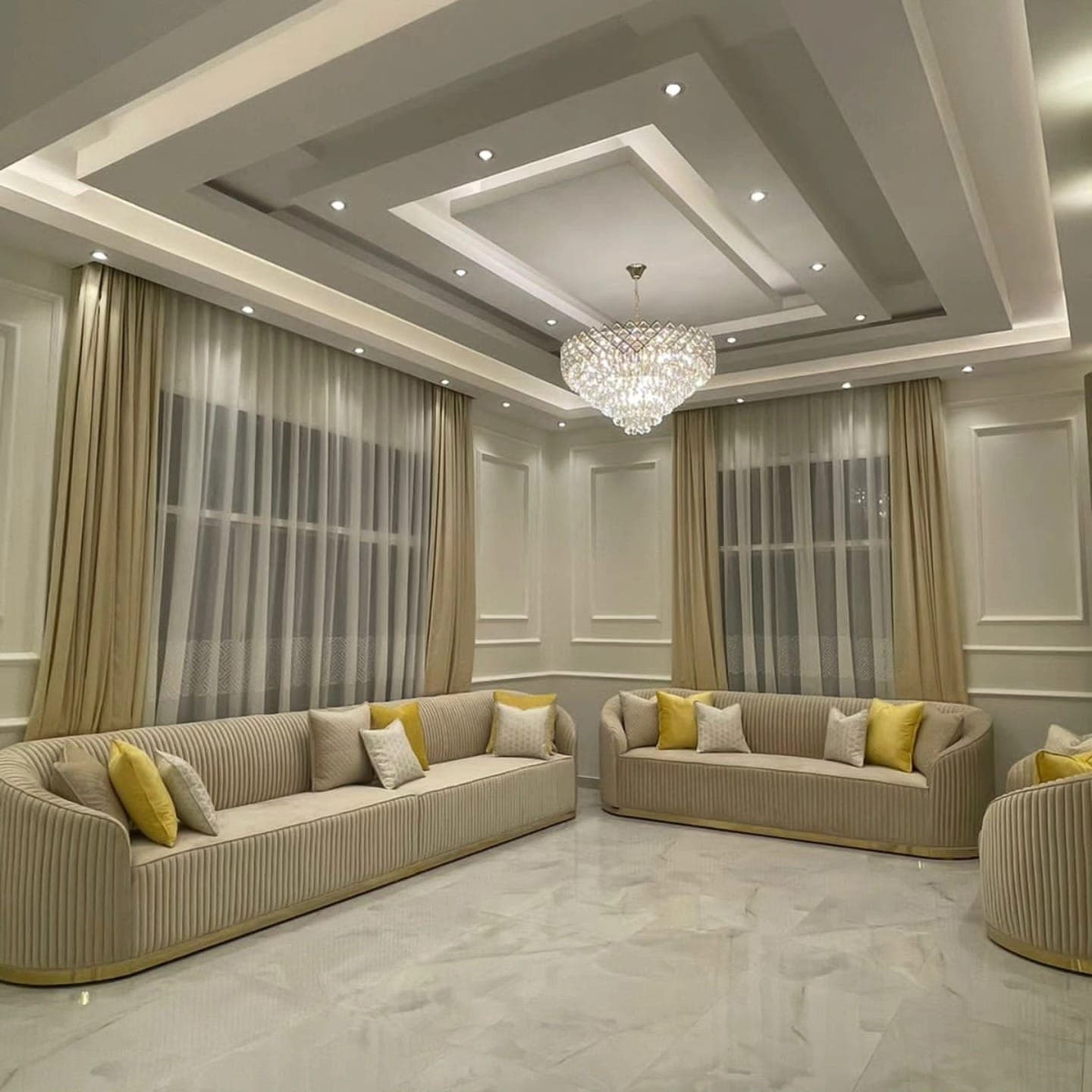
For curtains, the lining and the fabric's resistance to fading matter more than the pattern. For upholstery, look at the rub or wear rating, the weave and how the fabric cleans.
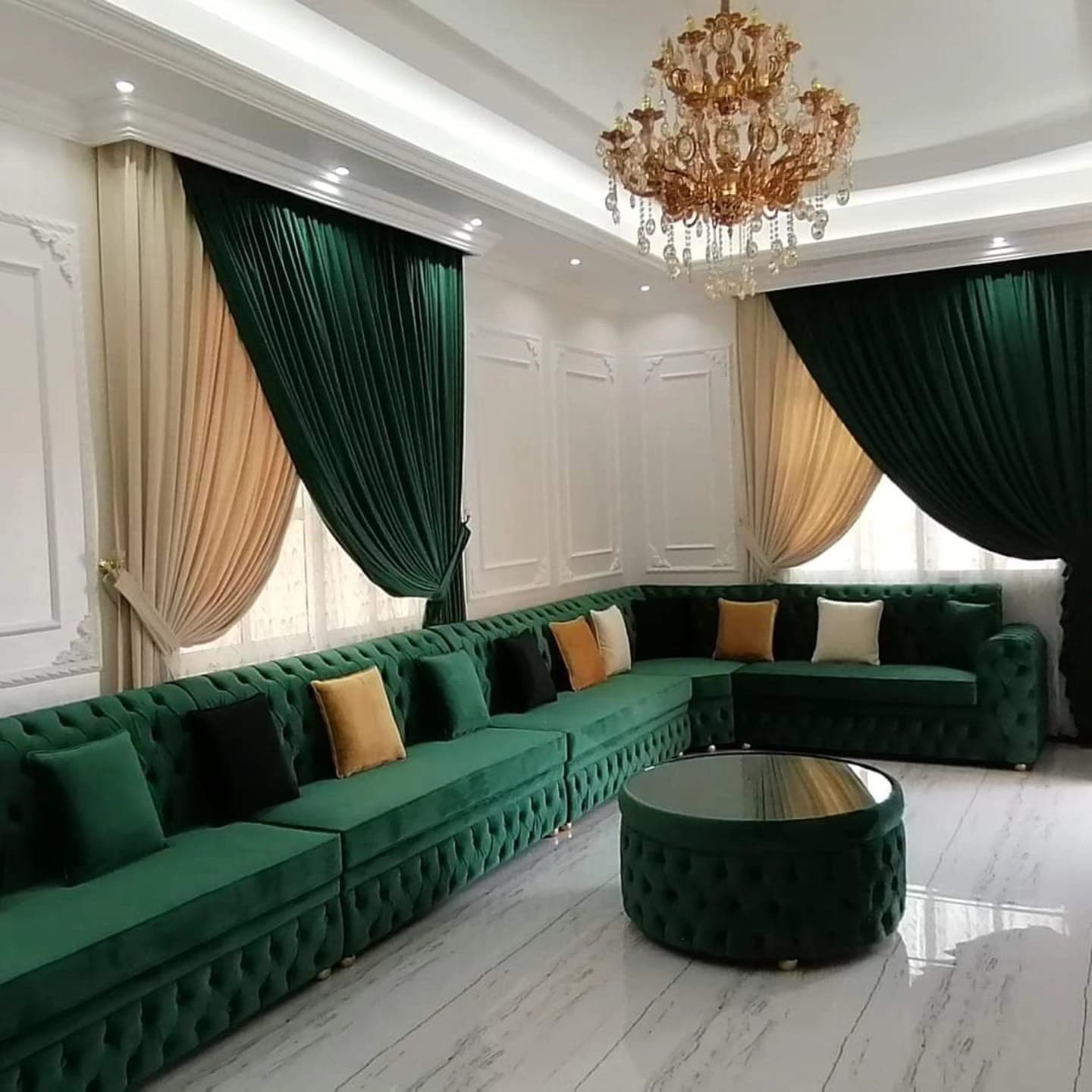
Velvet is popular for majlis and living rooms; tightly woven fabrics and leather suit heavy use.