Curtains · 16 min read · 19 April 2026
Wave, pinch pleat or eyelet curtains: picking the right heading
Compare eyelet, pencil pleat, pinch pleat and wave curtains: folds, fitting, care and room suitability, plus how eyelets should look when closed.

By Ali Haider Basra, Founder, Al Tareeq Decor · Contact our workshop
Key takeaways
- The heading sets the fold shape, the fabric quantity, the hardware, the stack and even the light over the top.
- Wave gives continuous folds on a compatible system; check ceiling-pocket clearance and motorisation against the specified hardware.
- Pinch pleat gives a tailored, classic top on a glider track or rings, ideal for formal rooms and heavy fabrics.
- Standard eyelets thread onto a compatible pole, with fabric above it; light gaps depend on the position and coverage of the whole fitting.
- Fullness ratios such as 2× and 2.5× are examples, not universal requirements. Final cost depends on the complete curtain specification.
On this page
- Key takeaways
- What a curtain heading is, and why it matters
- Wave curtains: soft, even folds on a track
- Pinch pleat curtains: tailored and classic
- What are eyelet curtains? Definition and how they hang
- How should eyelet curtains look when closed?
- The three headings side by side
- Pencil pleat curtains: adjustable gathers on tape
- Eyelet curtains vs pleated curtains: which hardware do you have?
- Pencil pleat vs pinch pleat: gathered or sewn?
- Pinch pleat vs wave curtains: tailored groups or continuous folds?
- Eyelet, pencil pleat, pinch pleat and wave: a quick comparison
- Four curtain headings compared
- Matching the heading to the fabric
- How the heading affects light and privacy
- Headings and motorised curtains
- How each heading stacks when it is open
- Which heading for which room
- Price, measuring and how we make them
- Common questions
What a curtain heading is, and why it matters
The heading is the top of the curtain: the part that is stitched, stiffened and fixed to the track or pole. It sounds like a detail, but it decides more about the finished window than almost anything except the fabric. It sets the shape of every fold down the full drop, how much fabric the curtain needs, what hardware it hangs on, how far it stands out from the wall, how it stacks when open and even how much light gets over the top.
That is why the heading should be chosen with the room, not from a photograph alone. A heading that looks perfect in a showroom can be the wrong one for a ceiling pocket, a balcony door or a motorised track.
This guide compares eyelet, pencil pleat, pinch pleat and wave curtains: how each heading looks, what hardware it needs, how to care for it and where it suits. Start with your existing pole or track, then compare the folds and the space they need.
Wave curtains: soft, even folds on a track
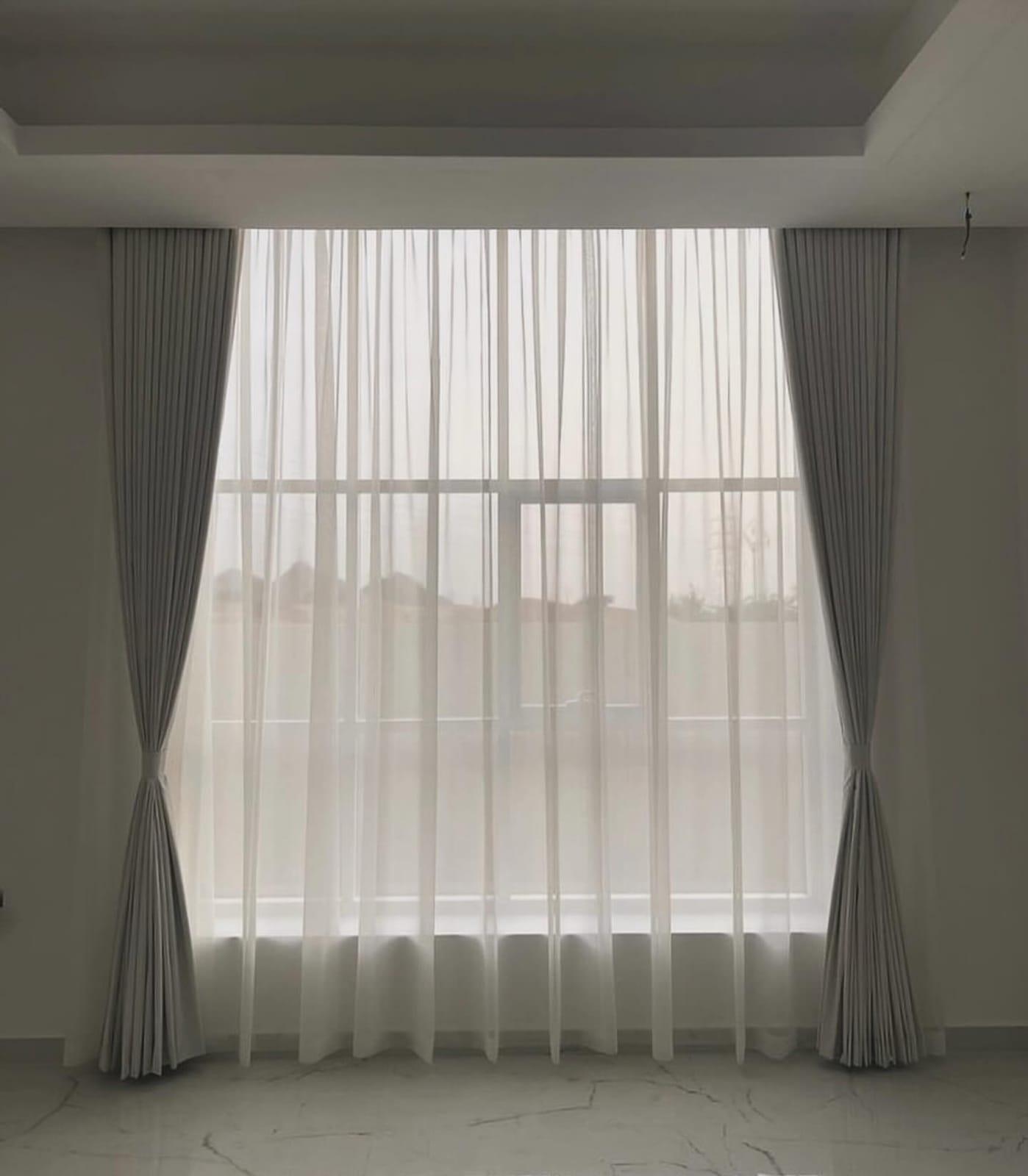
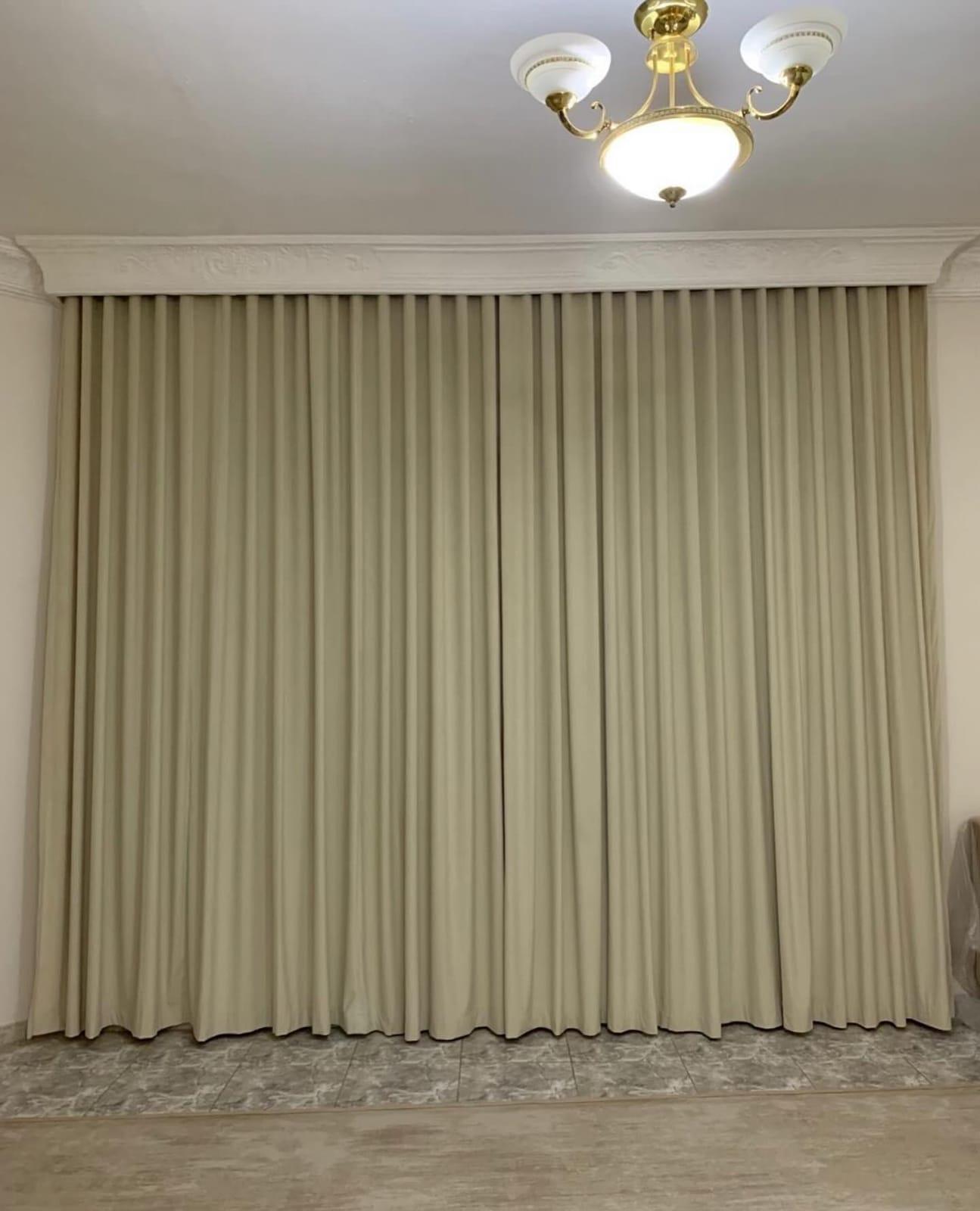
A wave curtain hangs in a continuous run of S-shaped folds, extending in front of and behind the track. The shape comes from a compatible tape sewn into the heading and spaced carriers in a wave system. Linked carriers control the spacing as the curtain moves; the fabric gathers into a stack when opened and forms a continuous wave when closed.
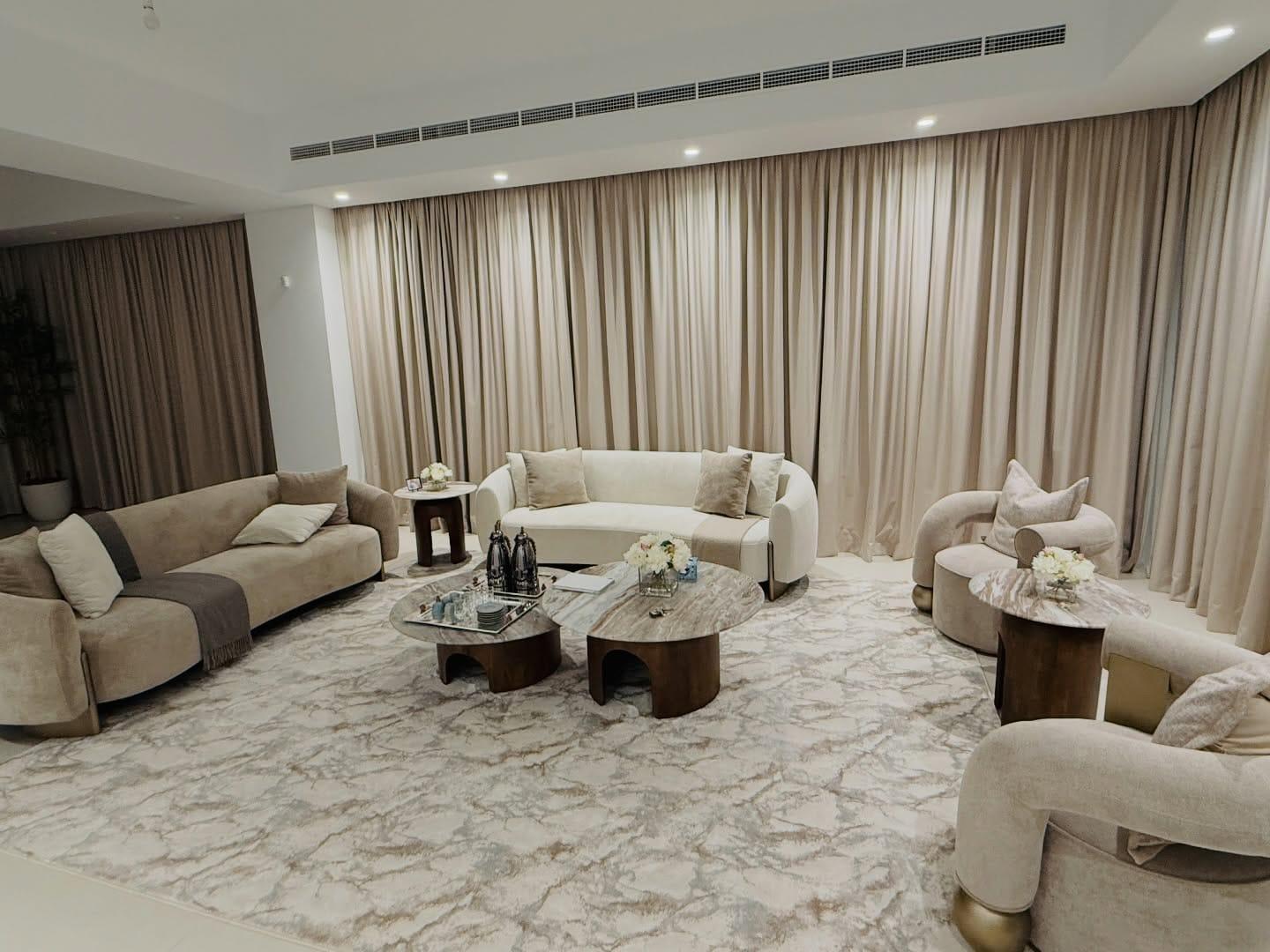
Wave is the clean, modern choice, and it is the normal pick for ceiling tracks and ceiling pockets, where the fabric appears to begin inside the ceiling itself. It suits sheers especially well, because the even folds make a voile look calm and full, and it works in the same way on a heavy blackout behind it.
Its one demand is the track: a wave curtain needs a wave track with the right carriers, so it cannot simply be hung on an old rail. Plan the depth too, because the folds stand out on both sides of the track.

Pinch pleat curtains: tailored and classic
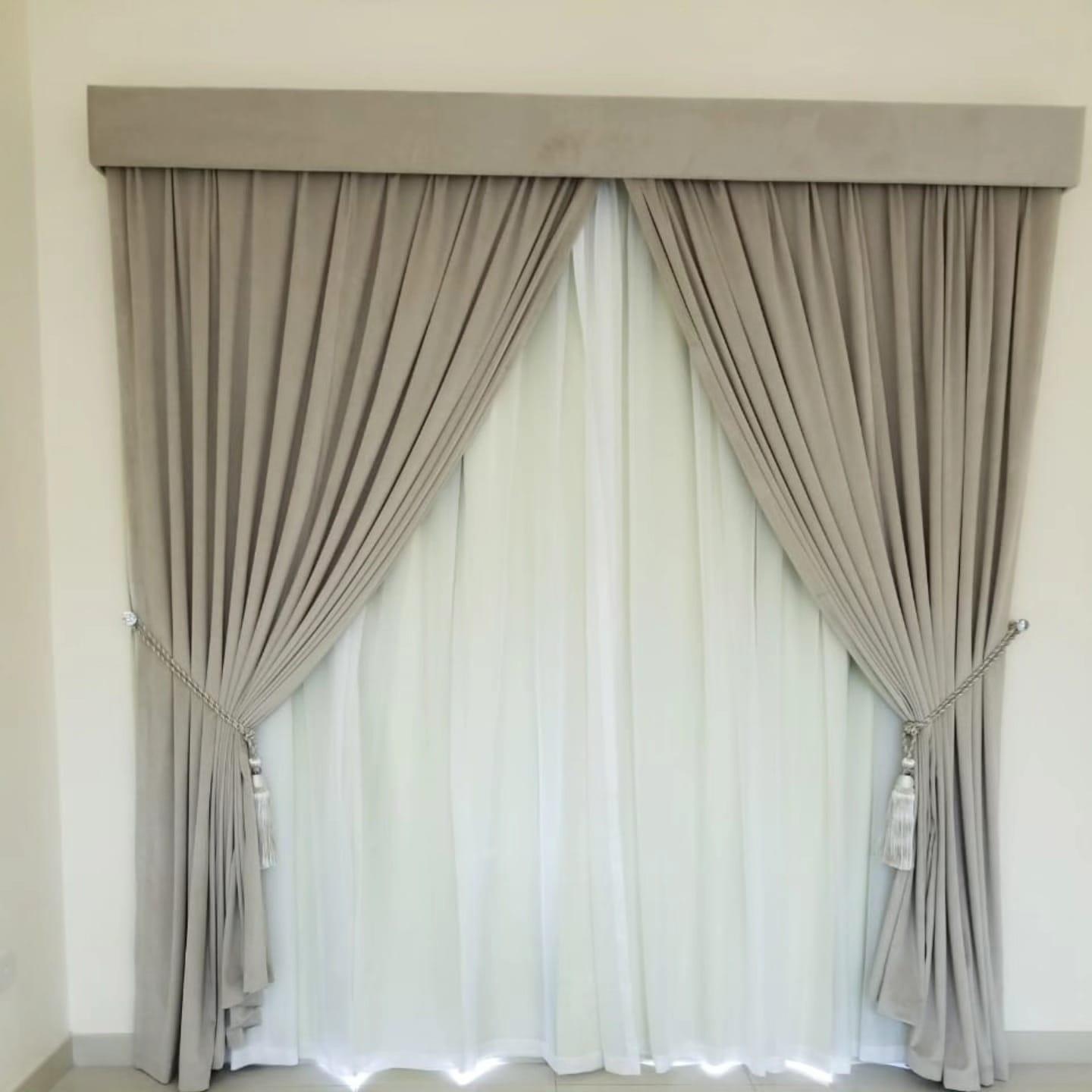
A pinch pleat curtain has groups of pleats pinched together at the base, with flat spaces between them. Pleats may be sewn by the curtain maker or formed with a suitable pinch-pleat tape and hooks; the construction determines how they are fitted and adjusted. Two-finger, three-finger and other pleat styles each give a slightly different look at the top.
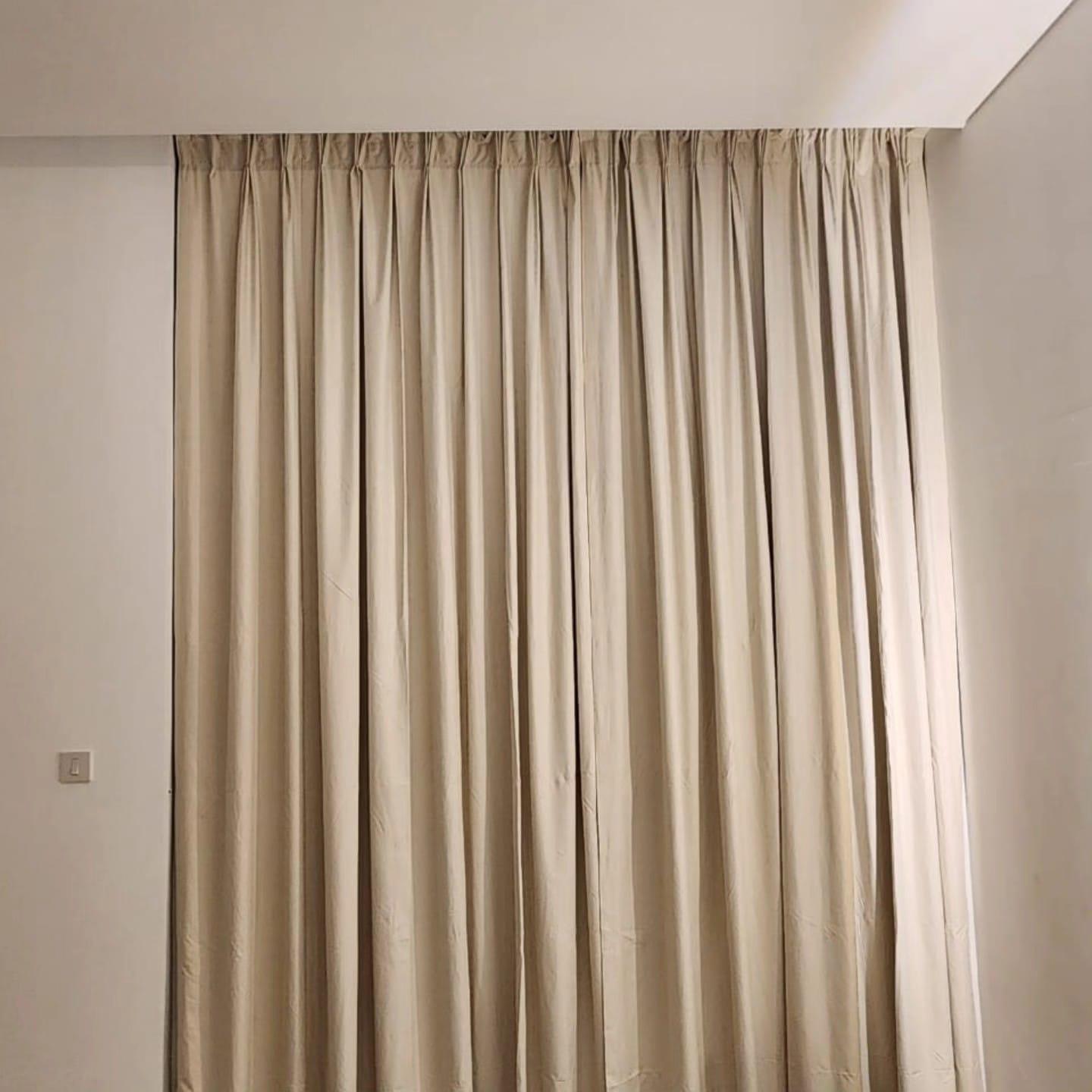
Pinch pleats give a tailored, structured top and deep folds below, making them a classic option for formal living rooms and majlis. They hang on compatible hooks from a glider track or from rings on a pole. A pelmet or ceiling pocket needs enough clearance for the heading, hooks and fabric stack.
For sewn pinch pleats, the number and spacing are worked out from the finished width and fabric so the two panels match. A sewn heading has limited width adjustment once made, so check the finished width before moving it to another window. Pinch pleat is available in both ready-made and made-to-measure curtains.
Because the pleats are fixed, a pinch pleat curtain stacks into neat columns when open. It suits heavier fabrics, velvets and lined curtains, and it is the heading most people picture when they think of a made-to-measure drape.
What are eyelet curtains? Definition and how they hang
An eyelet curtain has metal or plastic rings set into a stiffened heading, and the pole runs straight through them. The rings make the fabric fall in deep, rounded folds, alternately in front of and behind the pole. They are quick to hang and easy to open by hand, which makes them popular in informal living rooms, children's rooms and rented flats.
Standard eyelets thread onto a pole rather than ordinary track gliders. A pole near a recessed ceiling pocket may work if the recess dimensions, brackets and clearances allow the rings and folds to move freely; do not assume that a track pocket will accept it. On an ordinary pole, eyelets cannot pass a support bracket, so check how the specified system divides the opening.
The eyelets sit within the fabric heading, with fabric extending above the pole according to the eyelet position. Blackout fabric or lining can reduce light through the curtain, but light may still enter around the top, sides or centre depending on pole position, wall clearance and coverage. A blackout label for the fabric does not guarantee a fully dark room.
Choose the pole with the curtain. Its diameter must suit the eyelet size, and the brackets must leave enough wall clearance for the folds behind it. Whether intermediate supports are needed depends on span, curtain weight and the pole manufacturer's specification; where required, plan each panel's travel around them. A visible pole with finials can be matched to the handles, lights or frames in the room.
How should eyelet curtains look when closed?
Closed eyelet curtains should still have rounded folds running down the fabric, alternating towards the room and towards the window. They should cover the intended opening with the two leading edges meeting, rather than being pulled into a flat, stretched sheet. Arrange the folds gently by hand after hanging so the rings are evenly distributed along the pole.
If the curtain only reaches the centre when every fold is pulled flat, check the panel width against the pole width. If one area bunches while another is flat, redistribute the rings and check that the fabric is not catching on a bracket, handle or furniture. A centre support normally divides an ordinary pole into two separate runs; do not force eyelets past it.
Check the fabric care label before pressing or steaming out packing creases. The right temperature and cleaning method depend on the fabric, lining and finish, not on the eyelet heading alone.
The three headings side by side
The drawing below puts the three headings next to each other at the same width, first from the front and then from above. From the front, wave reads as an even ripple, pinch pleat as groups of pleats with flat spaces between, and eyelet as rings on a pole with deep rolls below. From above, you can see how far each stands out from its track or pole, which matters for pockets and for the glass behind.
The fullness labels are examples from the Curtains Express price page: 2.5 times the finished width for ripple fold (wave) and eyelet, and twice for pinch pleat. They are not universal requirements. The chosen fabric, tape and hardware determine the specification; increasing fullness uses more fabric when the other dimensions stay the same.
- 1. Wave: even S-folds either side of a wave track, held at a fixed spacing
- 2. Pinch pleat: sewn pleat groups with flat spaces, on hooks or rings
- 3. Eyelet: rings within the fabric heading, threaded onto a compatible pole
- 4. Example fullness from Curtains Express: 2× for pinch pleat, 2.5× for wave and eyelet; confirm the actual specification
- 5. Eyelet fabric extends above the pole; light gaps depend on the fitting and coverage
Pencil pleat curtains: adjustable gathers on tape
Pencil pleat is a gathered heading used on both ready-made and made-to-measure curtains: cords in heading tape draw the fabric into narrow pleats. Its softer gathered appearance differs from the spaced groups of pinch pleat and the continuous folds of wave. The finished width can be adjusted within the limits of the tape and available fabric, rather than to a fixed universal size.
The cords gather the heading to the required finished width, then curtain hooks connect the tape to track gliders or to rings on a pole. Spread the gathers evenly and secure the cords without cutting them, so the heading can be loosened later if the care instructions require it. Pencil pleat can also be made to measure; it is a heading style, not a sign that the curtain must be ready-made.
There are others: box pleats, goblet pleats, inverted pleats and more. Each is a variation on sewn pleats and suits a particular style of room. We also make American fold headings. If you have a heading in mind from a photograph, bring it to the visit and we will tell you what it needs in fabric and hardware.
Eyelet curtains vs pleated curtains: which hardware do you have?
Eyelet curtains hang directly on a pole through reinforced rings. Pleated curtains usually hang from hooks: pencil pleat has many narrow gathers drawn up with cords, while pinch pleat has spaced groups formed by sewing or a suitable pleating tape and hooks. When comparing eyelet vs pencil pleat curtains, the first practical difference is therefore the fitting: standard eyelets need a compatible pole; pencil pleats can use either a track or pole rings.
Choose eyelets when you want the pole visible and broad, rounded folds. Choose a pleated heading when you want hook-hung curtains, a gathered or tailored top, or to use a suitable existing track. Neither heading makes a fabric blackout by itself: the fabric or lining and the gaps around the window still matter.
Pencil pleat vs pinch pleat: gathered or sewn?
Pencil pleat is drawn up along heading tape into closely spaced gathers. Pinch pleat has distinct groups with flat spaces between them, formed by sewing or compatible pleating tape and hooks. Both can hang on suitable tracks or pole rings. Pencil-pleat gathers can be redistributed within the available width; a sewn pinch-pleat heading has its finished width fixed more closely at manufacture.
Choose pencil pleat for a softer gathered top and some adjustment at fitting. Choose pinch pleat for a more structured, evenly spaced heading. Adjustment does not mean any curtain will fit any window: check the finished width, fullness and hook position before reusing either style.
Pinch pleat vs wave curtains: tailored groups or continuous folds?
Pinch pleat has distinct pleat groups at the top and folds below them. Wave uses compatible tape and spaced carriers to hold a continuous S-shaped fold. Pinch pleat can work with a glider track or pole rings; wave needs a compatible wave system and carriers rather than an ordinary set of rings.
For a formal room or a visible tailored heading, compare pinch pleat samples first. For a continuous ripple across wide glass or inside a planned ceiling pocket, compare wave. Both may be specified on compatible motorised tracks. The fabric weight, track capacity and clearance must be checked for the actual window, so neither is automatically the better or cheaper option.
Eyelet, pencil pleat, pinch pleat and wave: a quick comparison
Start with appearance and hardware, then check daily use and care. Compare the fittings with the pole or track you already have before choosing a heading.
Four curtain headings compared
Appearance
- Eyelet
- Broad, rounded folds with visible rings
- Pencil pleat
- Closely gathered, narrow pleats
- Pinch pleat
- Distinct pleat groups with flat spaces
- Wave
- Continuous, evenly spaced S-folds
Installation
- Eyelet
- Thread a compatible pole through the eyelets; no separate hooks
- Pencil pleat
- Gather the tape, secure cords and fit hooks to track gliders or pole rings
- Pinch pleat
- Fit compatible hooks to a track or pole rings; follow the sewn or tape-formed heading's instructions
- Wave
- Fit to the matching wave system, tape and spaced carriers
Maintenance
- Eyelet
- Follow the care label; remove the panel from the pole when cleaning requires it
- Pencil pleat
- Follow the care label; remove hooks and loosen gathers if instructed, then regather evenly
- Pinch pleat
- Follow the care label; remove detachable hooks if instructed and preserve the pleat arrangement
- Wave
- Follow the care label; detach as the system instructs and restore the alternating folds when rehanging
Suitability
- Eyelet
- A visible decorative pole and an informal, rounded finish
- Pencil pleat
- A softer gathered top on an existing compatible pole or track
- Pinch pleat
- Tailored rooms, majlis and lined drapes
- Wave
- Modern rooms, sheers and wide glass with track clearance planned
Ceiling pocket
- Eyelet
- Needs a suitable pole, recess dimensions and clearance; not ordinary track gliders
- Pencil pleat
- Possible on a suitable track with clearance
- Pinch pleat
- Possible with clearance for the heading and hooks
- Wave
- Possible with clearance for folds on both sides
Fullness example
- Eyelet
- 2.5×
- Pencil pleat
- Confirm for the tape and fabric
- Pinch pleat
- 2×
- Wave
- 2.5×
Motorising
- Eyelet
- An ordinary pole alone is not a motorised system; check any proposed specialist hardware
- Pencil pleat
- Compatible hooked headings can work; confirm the specified motorised track
- Pinch pleat
- Compatible hooked headings can work; confirm the specified motorised track
- Wave
- Needs the manufacturer's compatible powered wave system
Care follows the fabric and lining label, not just the heading. The eyelet, pinch-pleat and wave fullness figures are examples from Curtains Express, not universal requirements; we confirm the tape, fabric and hardware on the quotation.
Matching the heading to the fabric
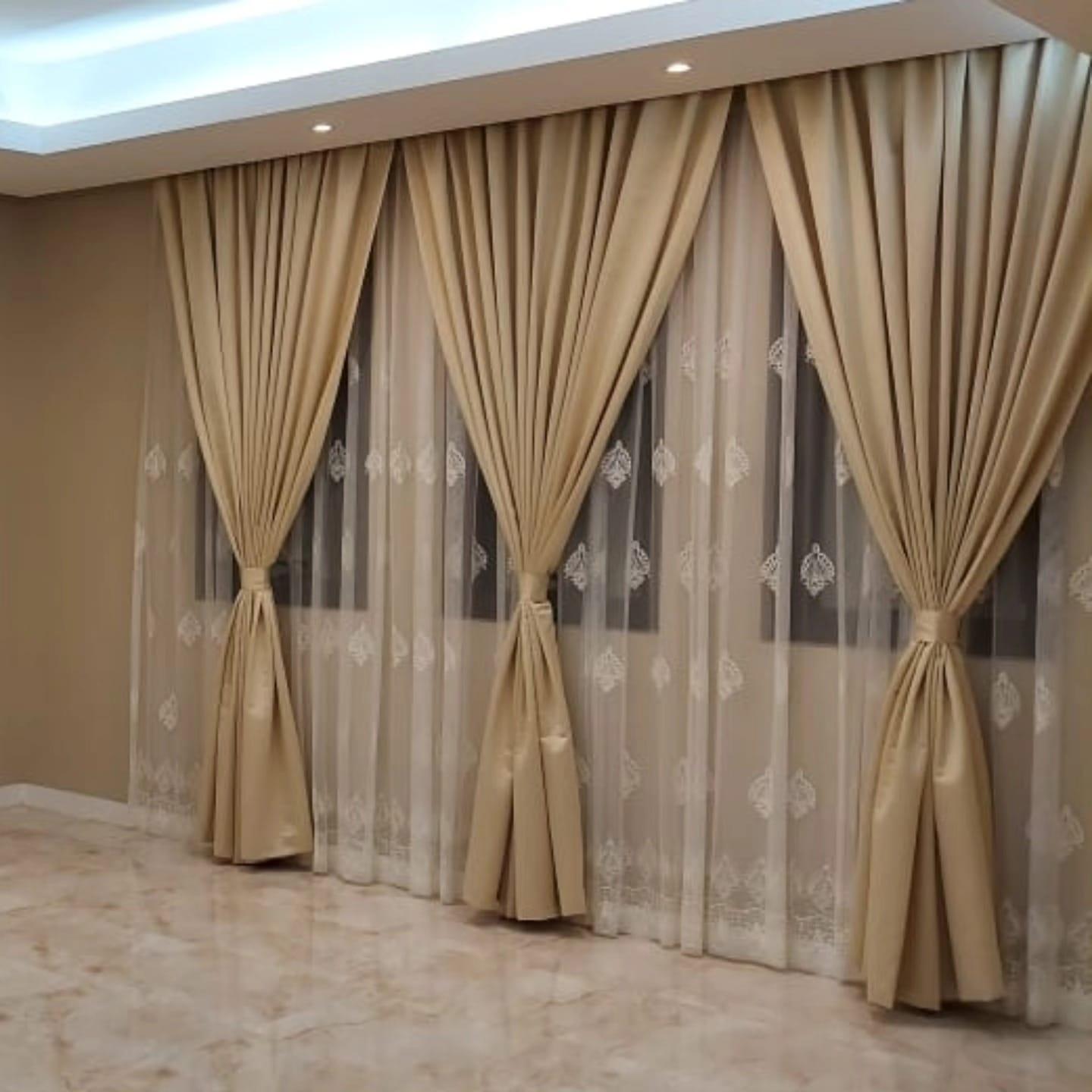
Fabric and heading have to suit each other. Light voiles and sheers look their best in wave, where the even folds make them look full, or in a fine pinch pleat. Heavy velvets, jacquards and lined fabrics hold pinch pleats beautifully, and work in wave too if the track and carriers are chosen for the weight.
For eyelets, compare how the actual fabric and lining form folds around the pole. Stiffness, weight and fullness affect the result. How the lining meets the eyelet depends on the workroom's construction; check a finished heading sample rather than assuming that visible lining is required.
Patterns need thought with any heading. Large motifs should fall where they can be seen, not disappear into a fold, and stripes behave differently in wave than in pleats. Hold a hanging sample at the window before deciding.
How the heading affects light and privacy
The heading and fitting affect the light gaps around a curtain. Eyelet fabric extends above the pole, but the exact top coverage depends on eyelet position and where the pole is fitted. A ceiling-mounted or recessed track can help control top gaps when its position, heading height and clearance are specified correctly; neither fitting guarantees darkness on its own.
At the sides, a suitable track can include a return towards the wall. In the middle, compatible overlap carriers can let hooked panels pass each other; standard eyelets on an ordinary pole generally meet rather than overlap in that way. Check side coverage and the centre meeting point on the actual hardware.
For a bedroom where darkness matters, compare blackout fabric or lining together with the top, side and centre coverage. Wave or pinch pleat on a suitable ceiling track may help, but inspect the complete fitting. The gaps and possible fixes are set out in where light leaks round a blackout curtain.
Headings and motorised curtains
Standard motorised curtain tracks generally support compatible hooked headings, including suitable pencil-pleat or pinch-pleat curtains. Wave needs the manufacturer's compatible powered system and spaced carriers. Confirm the heading, hooks, curtain weight and track specification together; compatibility is not universal across systems.
An ordinary eyelet pole alone does not provide a motorised drive. If automation is required, ask the hardware supplier to confirm a suitable complete system before making the curtains; do not assume every eyelet arrangement is either compatible or impossible to automate. Motors, power and controls are explained in the motorised curtains guide.
How each heading stacks when it is open
Every curtain needs somewhere to sit when it is open, and the heading changes how it gathers there. Wave gathers into a regular stack, pinch pleats form grouped folds and eyelets gather around the pole. How far the folds project depends on fabric, fullness and the specific hardware, not a fixed ranking between headings.
Stack-back width depends on the fabric's thickness, lining, fullness, heading and hardware. A light, unlined voile may need less space than a heavily lined curtain, but there is no single percentage that fits every specification. Use the hardware manufacturer's planning information and, where needed, a sample to check how far the track or pole should extend beyond the opening.
So when you compare headings, also compare the open position. On a narrow wall beside a window, a slim stack matters; a heavy pinch-pleat velvet may need more wall than you have. Our curtain measuring guide shows how the stack-back is planned.
Which heading for which room
Treat these as a first suggestion; the ceiling, the window and personal taste all count.
- Master bedroom: wave in a ceiling pocket, with a blackout behind or as the main curtain.
- Living room: wave for a modern room, pinch pleat for a classic one, usually over a sheer.
- Majlis: pinch pleat drapes over a wave or pleated sheer; see our majlis curtains guide.
- Children's rooms: wave or pencil pleat on a track, simple to open, with blackout for naps.
- Balcony doors: wave on a track extended beyond the door, leaving the opening free when drawn back.
- Home office: wave sheer to soften glare on the screen.
- A rented flat with a pole already fitted: eyelets.
Price, measuring and how we make them
No heading is automatically the more expensive choice. Final pricing depends on the fabric, fullness, lining, hardware, dimensions and installation specification. At the same fabric width and drop, a 2.5× fullness example uses more fabric than a 2× example, but those ratios do not determine the complete quotation. Our curtain price guide shows the fabric maths with an example window.
Curtains start from AED 550 per window for the entry specification, including fabric, a basic manual track and fitting. This is a starting price, not a final quotation; the selected fabric, heading, lining, hardware and installation requirements determine the quoted total. At the free visit we laser-measure, assess the ceiling and walls, and bring heading and fabric samples. Curtains are sewn in Sharjah. Standard completion is 3–5 working days after fabric selection and measurements, subject to order requirements. A 48-hour rush service is subject to availability and feasibility; your quotation confirms the programme. Warranty coverage depends on the work and products in your order. Before ordering, confirm the applicable duration, scope and written terms for workmanship, fabrics, motors, tracks, accessories and third-party products.
See custom curtains for finished work, or browse the curtains and blinds service.
Common questions
What does eyelet curtains mean?
Eyelet curtains have reinforced rings, also called grommets, set into the top of the fabric. A curtain pole passes through these rings, creating rounded folds without separate curtain hooks.
What is the difference between eyelet and pleated curtains?
Standard eyelets thread directly onto a compatible pole. Pencil and pinch pleats normally use hooks on a track or pole rings. Pencil pleat has adjustable gathers; pinch pleat has distinct groups formed by sewing or suitable tape and hooks. Choose the heading and hardware together.
Is pencil pleat the same as pinch pleat?
No. Pencil pleat uses cords in heading tape to form narrow gathers that can be redistributed within the available width. Pinch pleat has distinct groups, sewn or formed with compatible pleating tape and hooks. A sewn pinch-pleat heading has less width adjustment. Both need suitable hardware.
Should I choose pinch pleat or wave curtains?
Choose pinch pleat for distinct tailored pleat groups and wave for a continuous S-fold. Pinch pleat works on suitable tracks or pole rings; wave needs its matching track and carriers. Check fabric weight and clearance before deciding.
How should eyelet curtains look when closed?
They should cover the opening with rounded folds still visible, not be stretched flat. Space the rings evenly and let the leading edges meet. If they only meet when pulled flat, check the curtain width; if folds bunch unevenly, check the ring spacing and obstructions.
Does wave cost more than pinch pleat?
Not necessarily. Compare the same fabric, fullness, lining, hardware and installation requirements. A heading name alone does not establish which quotation will cost more. What curtains cost.
Can eyelet curtains be blackout?
Yes, with suitable blackout fabric or lining. Fabric extends above the pole, but light may still enter around the top, sides or centre depending on pole position, coverage and clearances. Blackout fabric alone does not guarantee a fully dark room. Blackout or sheer curtains.
Which heading suits a ceiling pocket?
Wave, pencil pleat or pinch pleat may work on a compatible recessed track with enough clearance. Eyelets need a suitable pole; a position near or within a recess must allow room for the pole, brackets, rings and folds. Check the actual pocket and hardware rather than assuming compatibility. Curtain pockets in gypsum ceilings.
Which headings can be motorised?
Standard motorised tracks generally support compatible hooked headings; wave needs a compatible powered wave system. An ordinary eyelet pole alone is not a motorised system. Confirm the heading, hooks, weight and clearances with the specified hardware manufacturer. Motorised curtain options.
How do I measure for eyelet curtains?
Measure the usable pole width without finials and record the fitted pole position and desired hem level. Agree whether the workroom wants a pole-to-hem measurement or the total finished curtain drop: fabric above the eyelet must be allowed for using its construction method. Do not add a fixed allowance without confirming that convention. How to measure for curtains.
What heading suits a majlis?
Pinch pleat drapes over a sheer are the classic choice, often caught back with tiebacks. Majlis curtains.

Sources & specifications
Manufacturer information applies to the named products and systems. Sources reviewed on 28 October 2026.
- Curtains Express: fullness by heading (pinch pleat, ripple fold, eyelet)curtainsexpress.ae(opens in a new tab)
- Dunelm: how to measure for curtains (eyelet and pencil pleat drops)dunelm.com(opens in a new tab)
- Silent Gliss: curtain track systemssilentgliss.co.uk(opens in a new tab)
- Dunelm: hanging eyelet, pencil pleat and pinch pleat curtainsdunelm.com(opens in a new tab)
- Hillarys: pencil pleat headings on poles or trackshillarys.co.uk(opens in a new tab)
Want this planned for your home?
Consultation and measurement are free. Tell us the rooms, location and what you need; we arrange a sample visit and define the measured quotation.